 Local decisions affect the cost of doing business, the availability of workers and the confidence employers need to invest. Business leaders deserve opportunities to understand those decisions and help shape them.
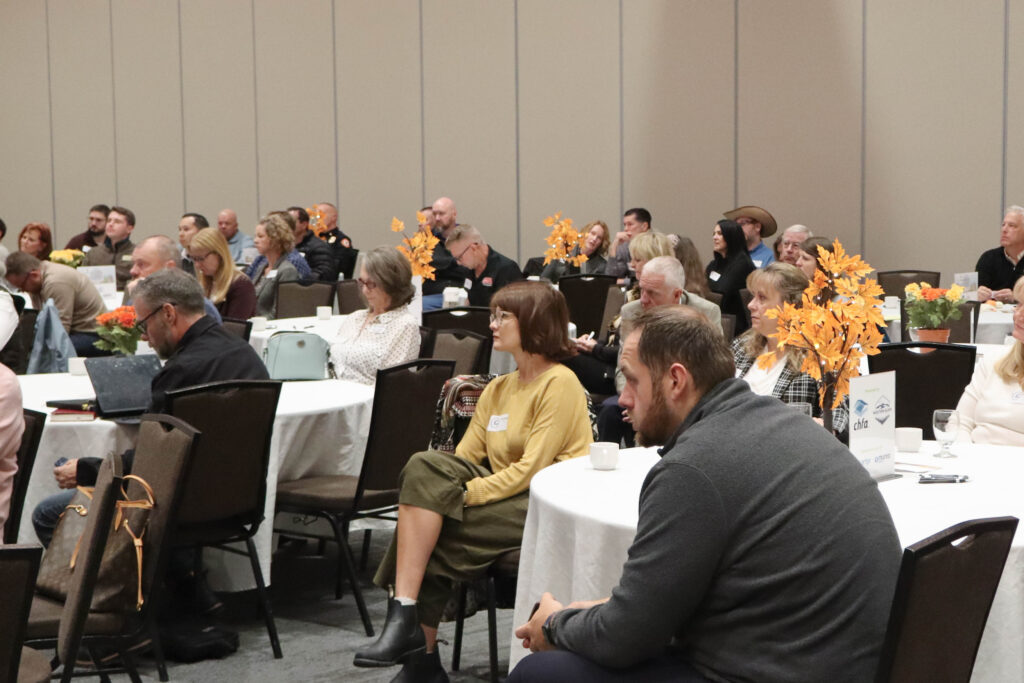
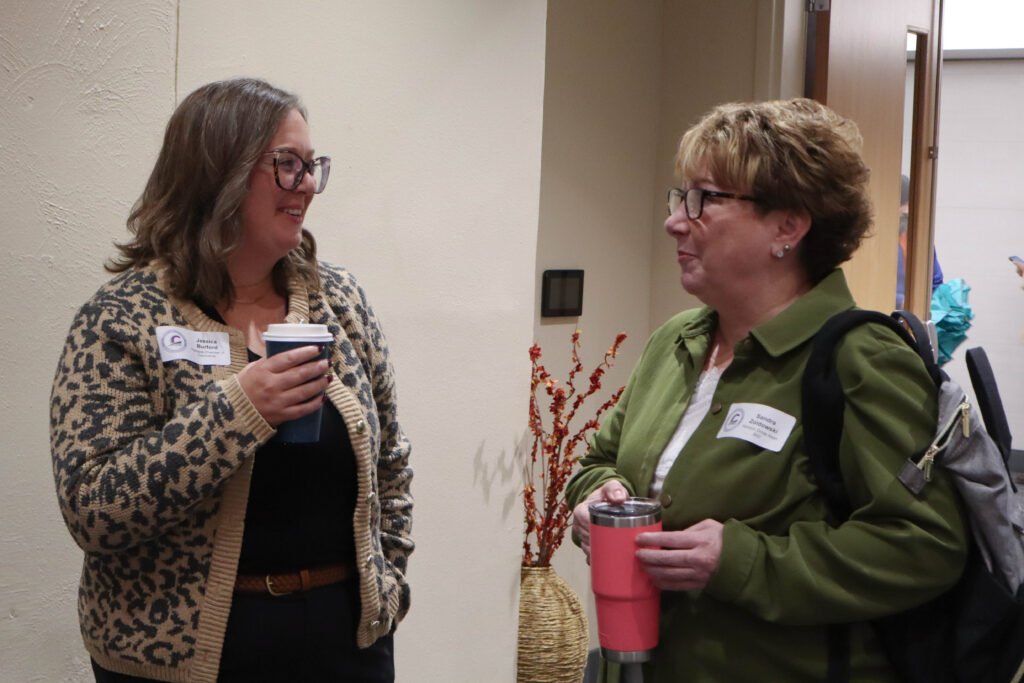
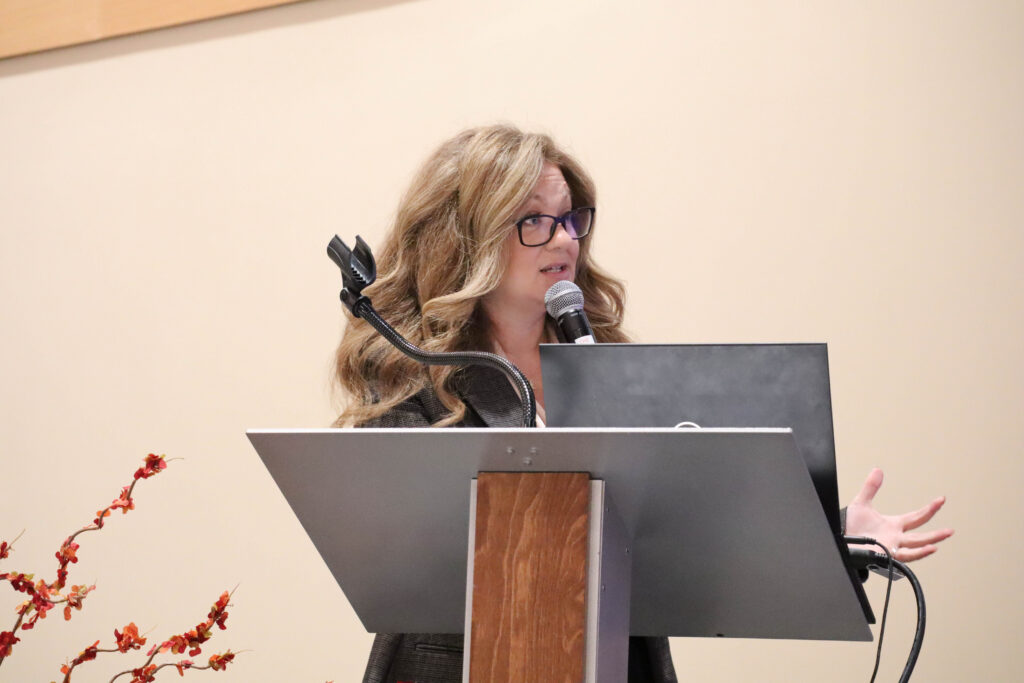
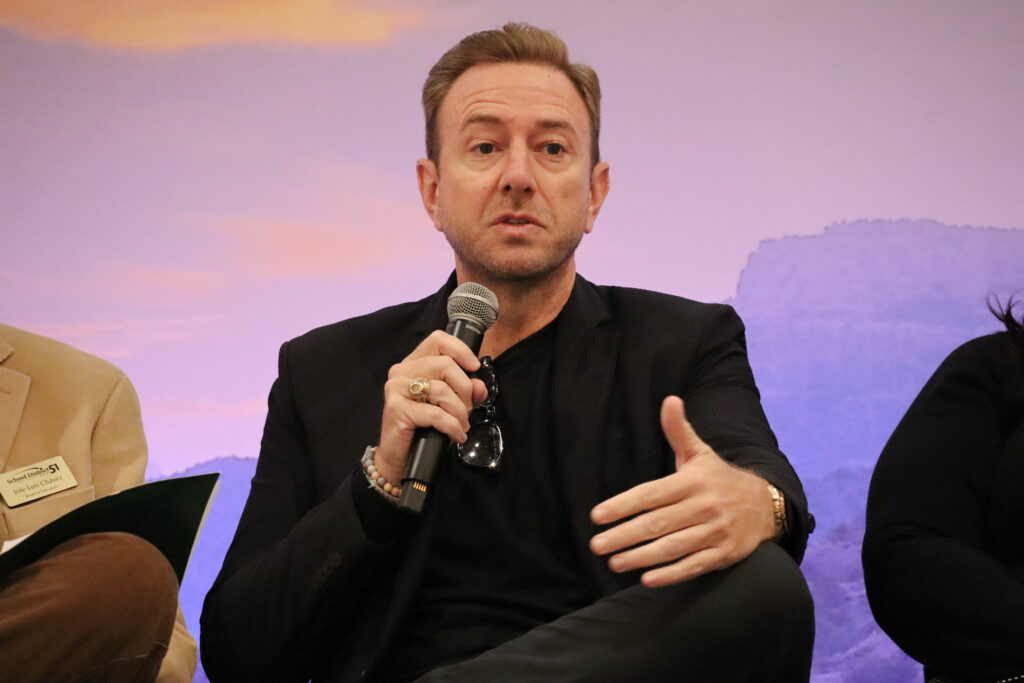
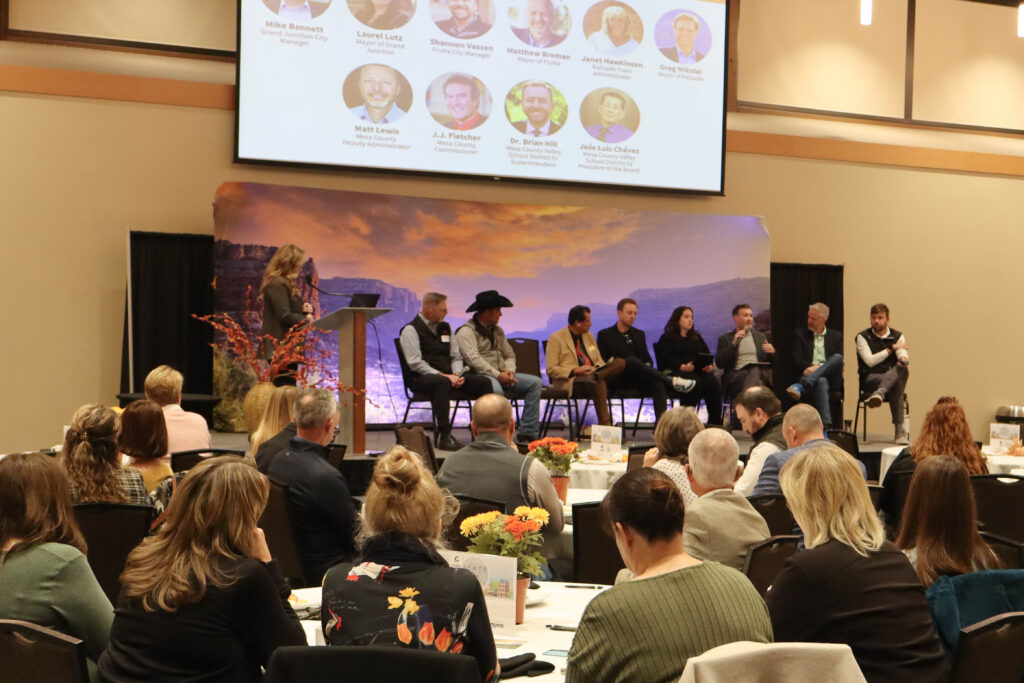
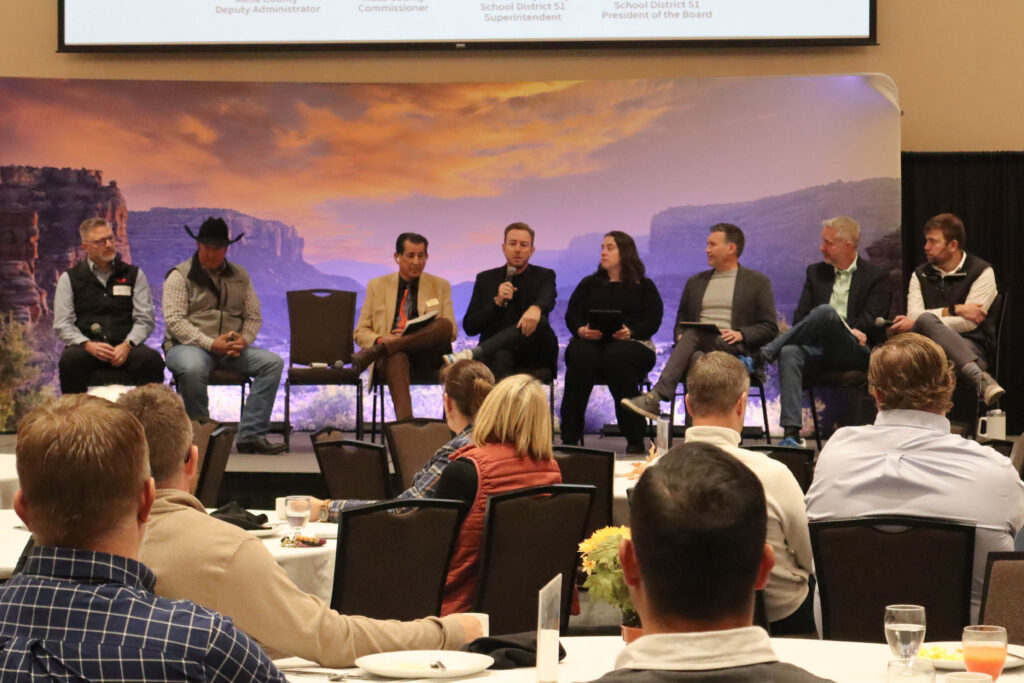
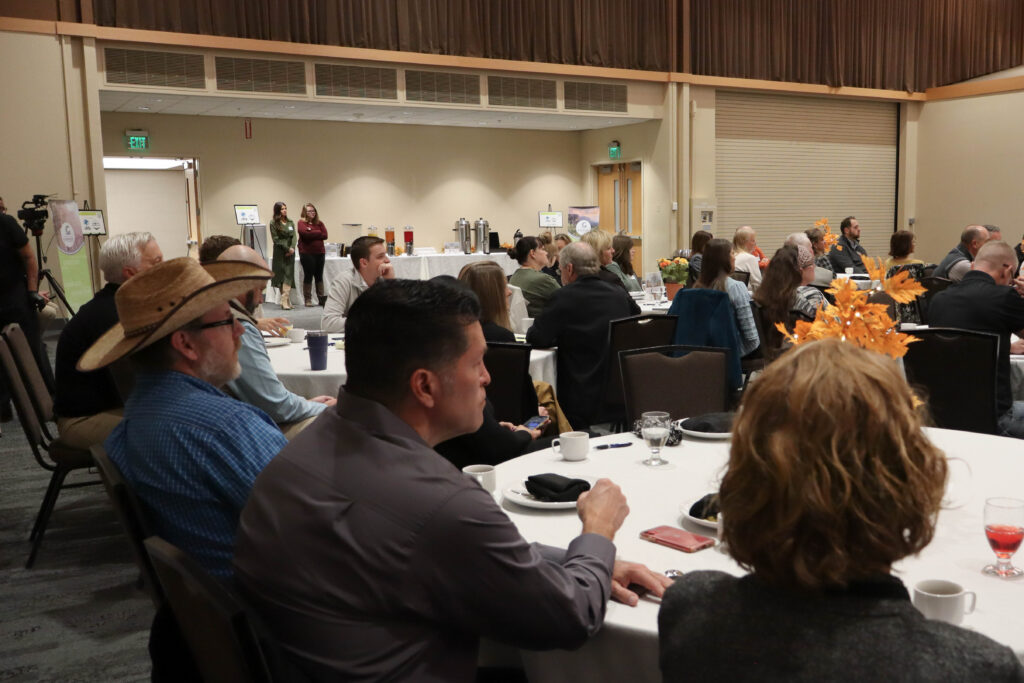
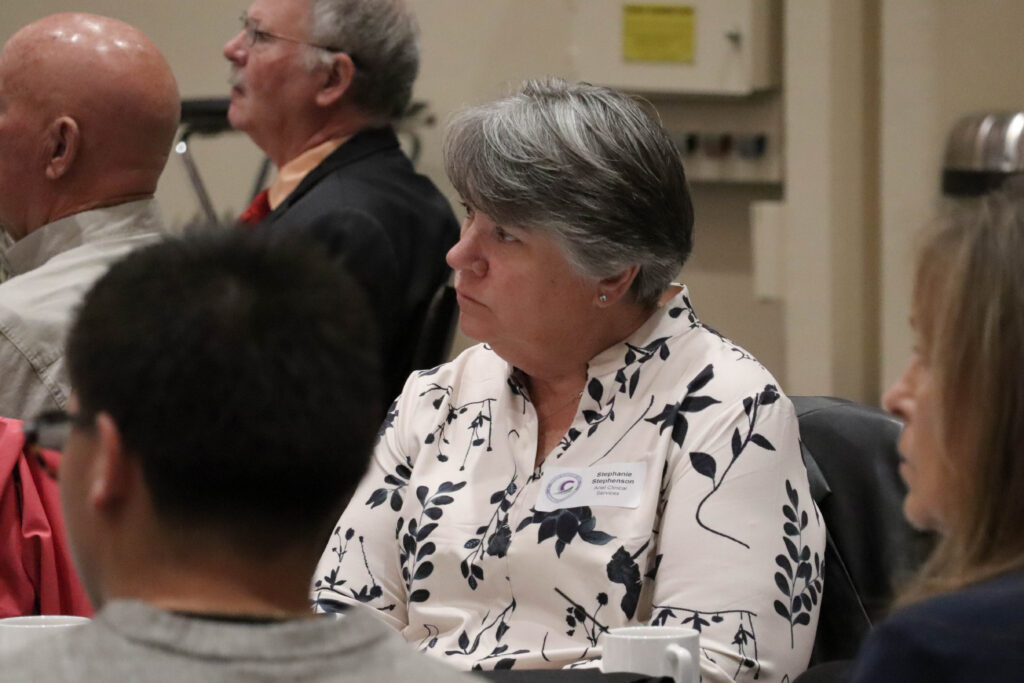
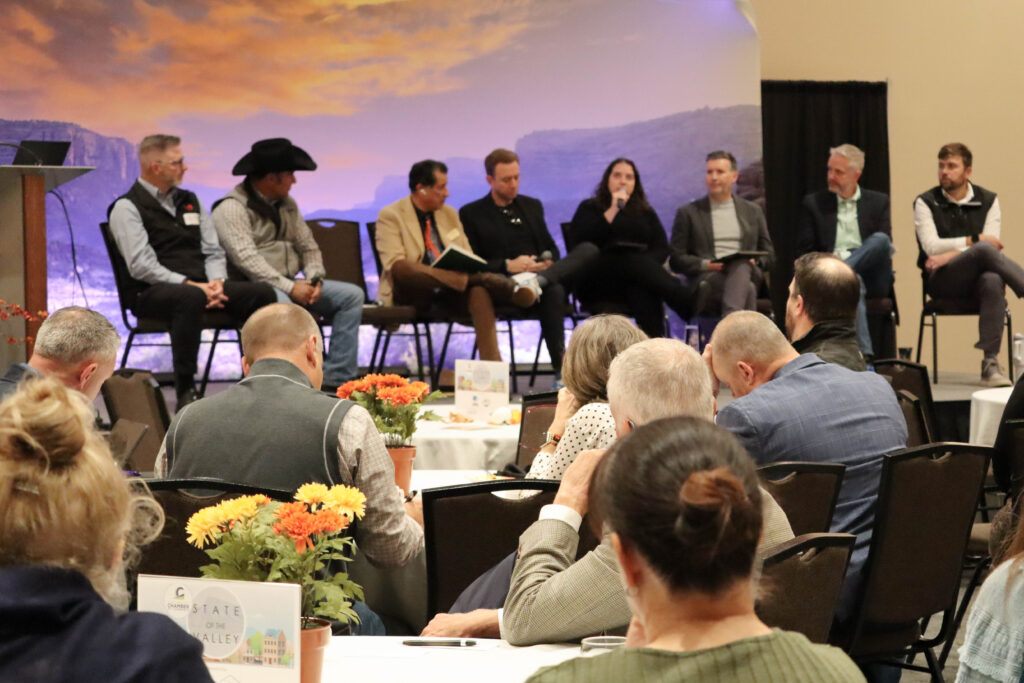
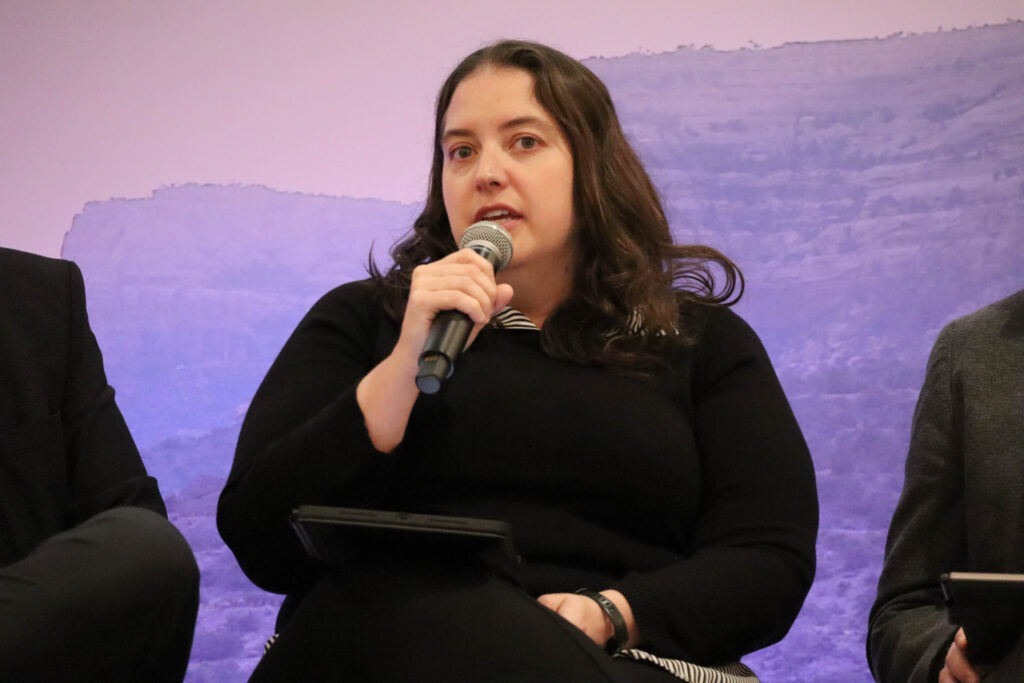
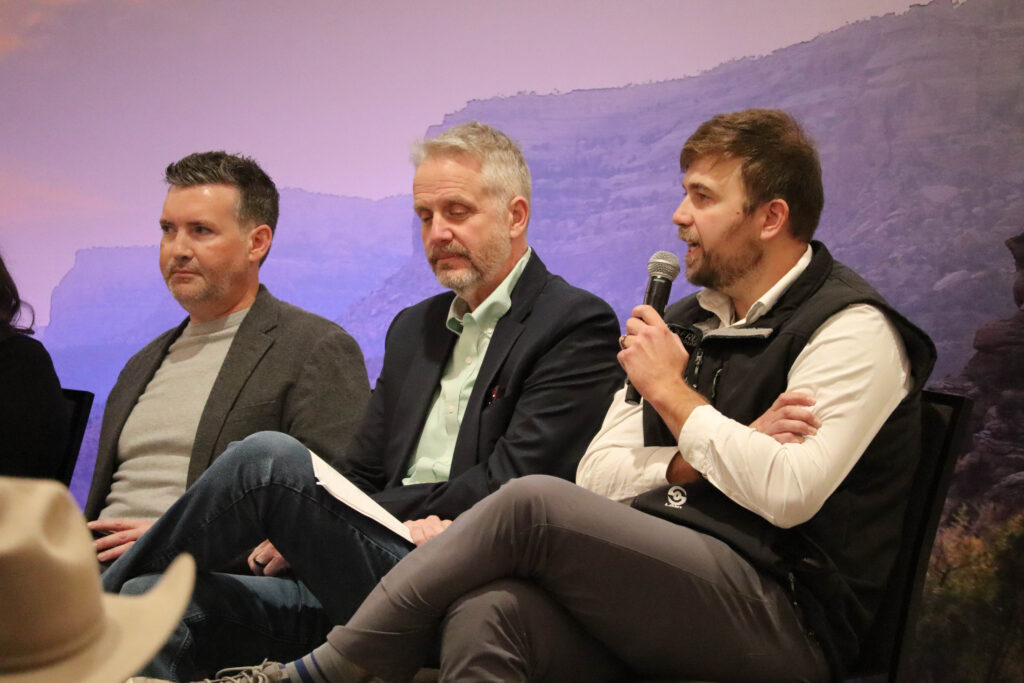
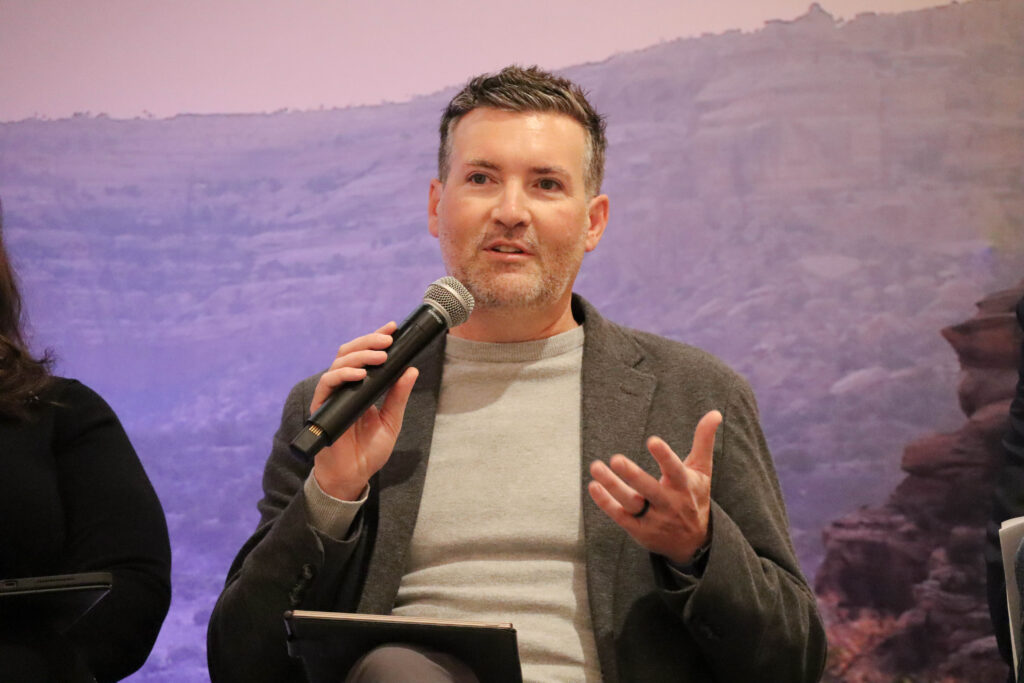
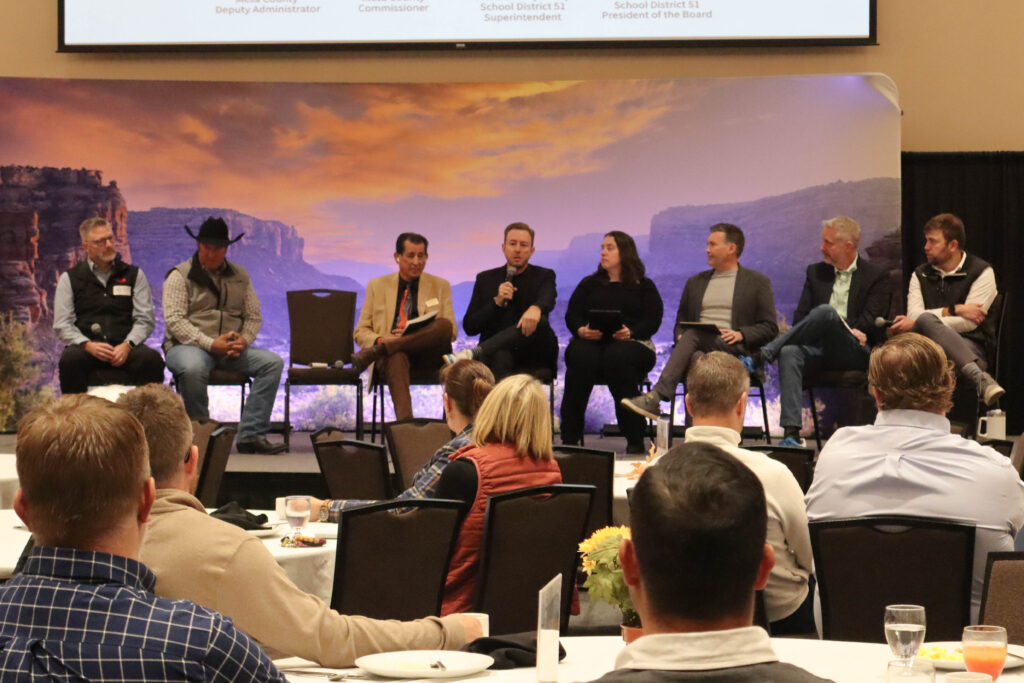
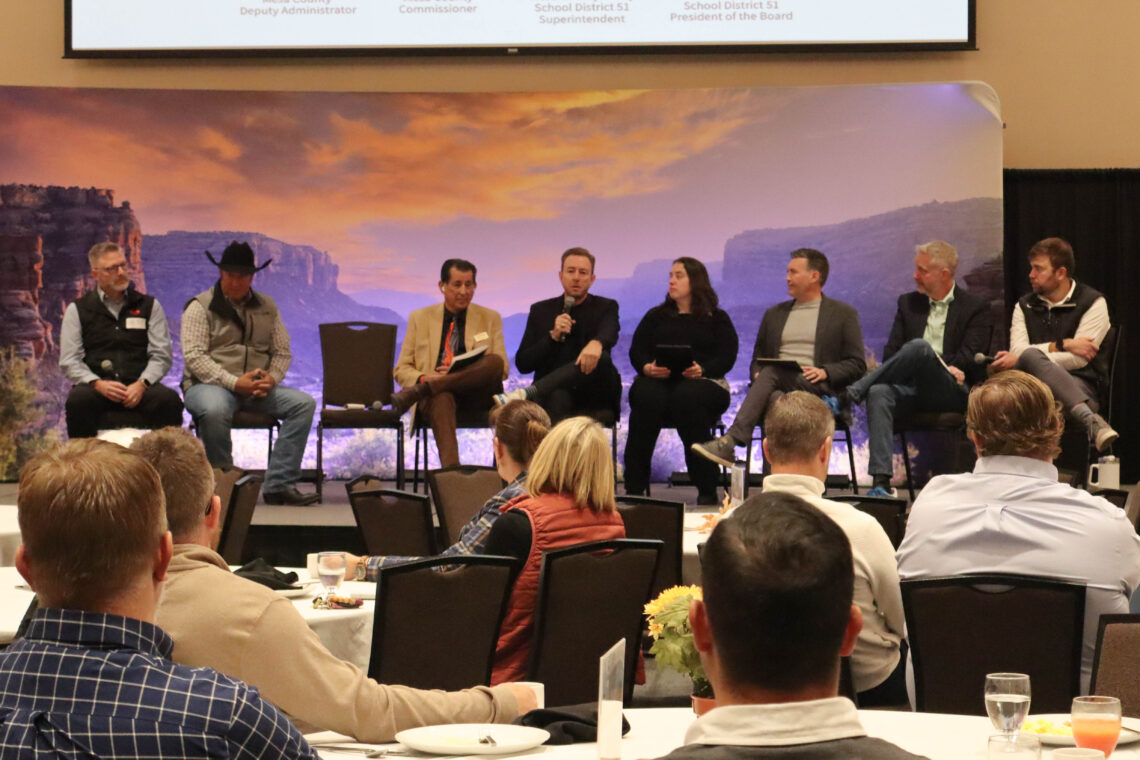
That is why the Grand Junction Area Chamber of Commerce hosted its State of the Valley breakfast on October 14th. More than 100 local business leaders and community peers gathered to hear from elected and staff leadership from the City of Fruita, City of Grand Junction, Mesa County and Mesa County Valley School District 51.
The Chamber guided the conversation around a central question: How are local institutions protecting our region’s ability to support strong businesses, attract investment and prepare our future workforce?
The discussion connected budget pressures, development approvals, housing and education to the realities employers face.
Grand Junction leadership described efforts to address a structural deficit while protecting core services, including public safety and infrastructure. Mayor Lutz discussed removing development barriers and improving processes to bring more housing online, a priority directly connected to employers’ ability to recruit and retain workers. 
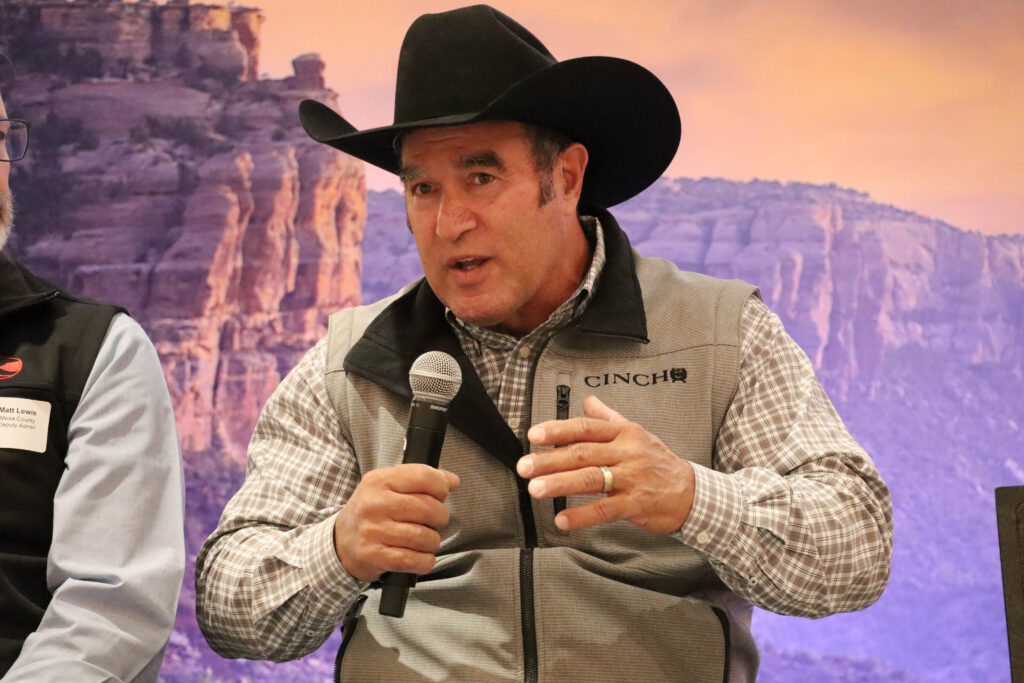
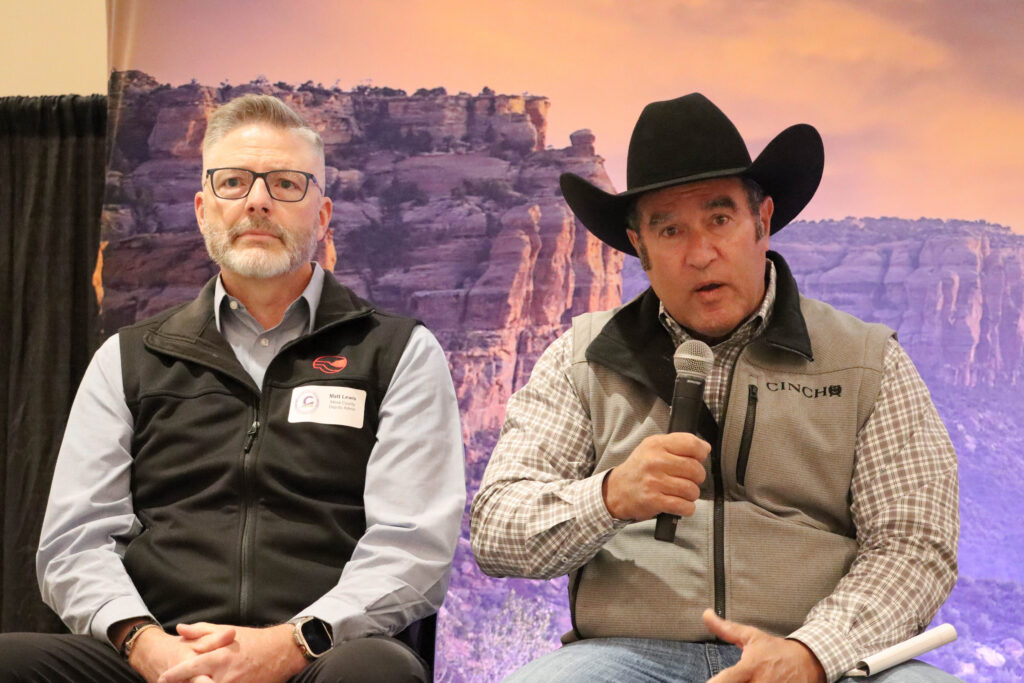
Mesa County Deputy County Administrator Matt Lewis highlighted a deliberate examination of government’s role. Through its priority-based budgeting process, the county is asking whether other organizations provide similar services and whether those providers could expand to meet community needs.
“We specifically do not want to be in competition,” Lewis explained. “We want to give the opportunity for our businesses to be competitive, expand, grow, and serve those citizens as well.”
That approach recognizes the expertise and capacity within our business community. Lewis also emphasized seeking feedback before decisions are made and taking responsibility for reaching employers rather than waiting for businesses to come to government.
Fruita Mayor Matthew Breman highlighted streamlined development approvals, including an 80,000-square-foot business expansion approved in three months. The example illustrated why speed and predictability matter to employers making investment decisions.
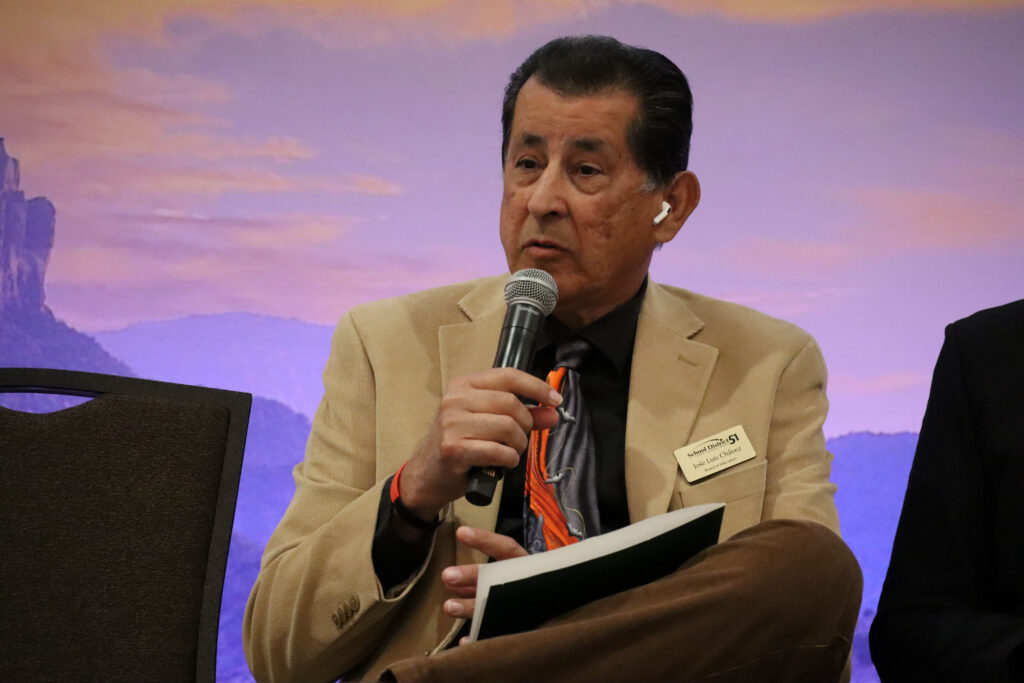
 School District 51 Superintendent Dr. Brian Hill explained a different pressure: declining student enrollment despite overall community growth. He outlined adjustments to facilities and staffing while emphasizing the district’s partnership with Colorado Mesa University and CMU Tech as an advantage in responding to workforce needs.
Hill offered employers a clear invitation: “The best thing that businesses can do is really open your doors to our students.”
Internships, job shadows and career and technical education advisory boards allow businesses to help shape the skills of their future employees.
Throughout the morning, the Chamber asked panelists to explain how they seek business input, evaluate policy consequences and draw on private-sector expertise to improve their operations.
These questions are central to why we host State of the Valley. Employers understand the practical consequences of costs, regulations, hiring challenges and investment decisions. Their experience needs to inform public policy.
The Chamber brings that perspective forward, creates direct access to decision-makers and maintains relationships that support continued problem-solving. Grand Junction leadership specifically recognized regular communication with the Chamber as a valuable source of business feedback.
Attendees left with insight into local priorities and specific ways to contribute. Public leaders heard a clear expectation: business competitiveness must remain part of the conversation.
Strong business builds a strong community. Bringing the right people together to turn that principle into action is part of the Chamber’s responsibility.