
 A few weeks ago, I wrote about Colorado’s dramatic slide in national business competitiveness rankings and the warning signs our state can no longer afford to ignore.
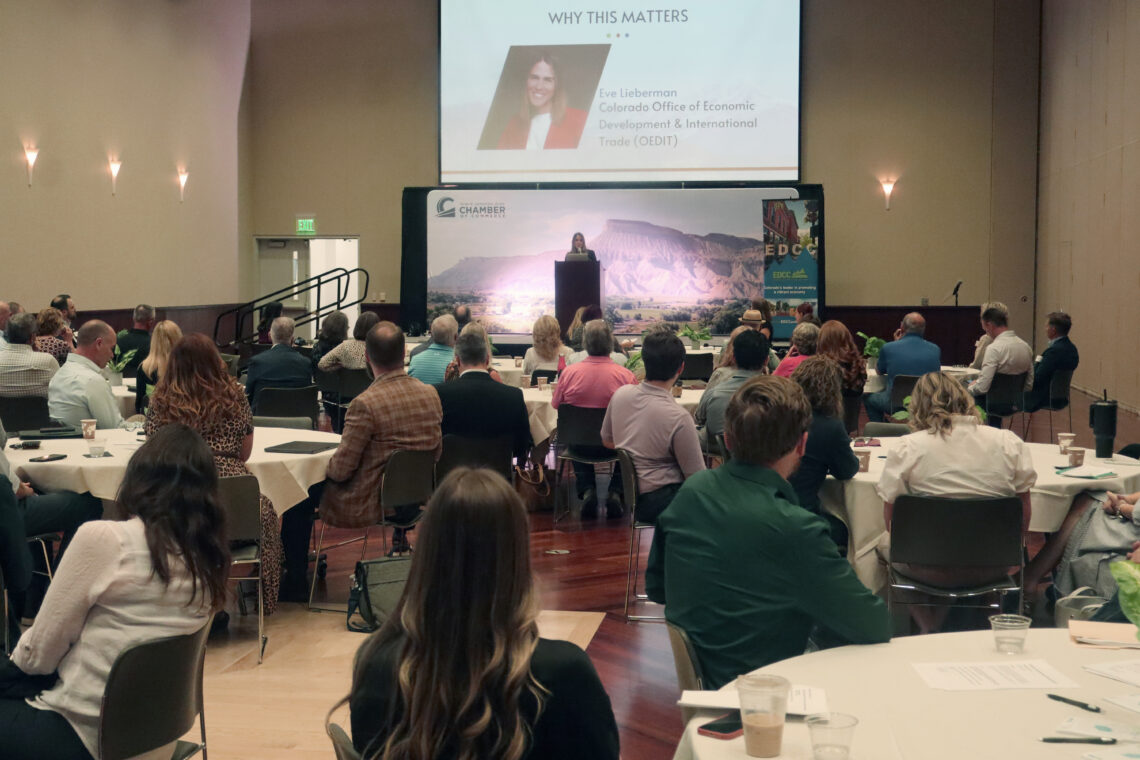
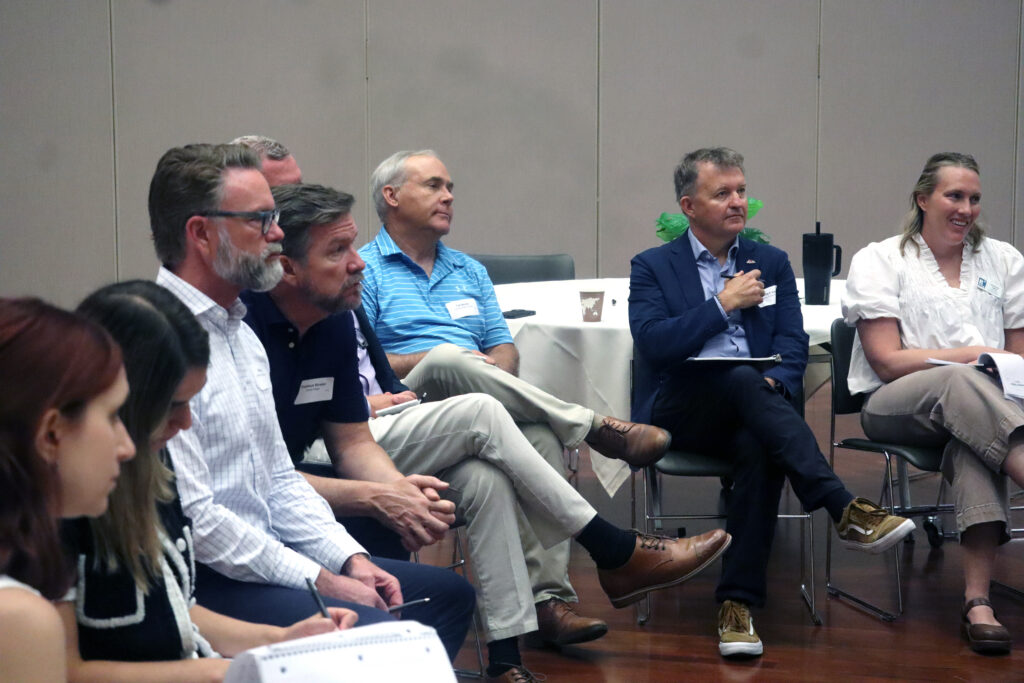
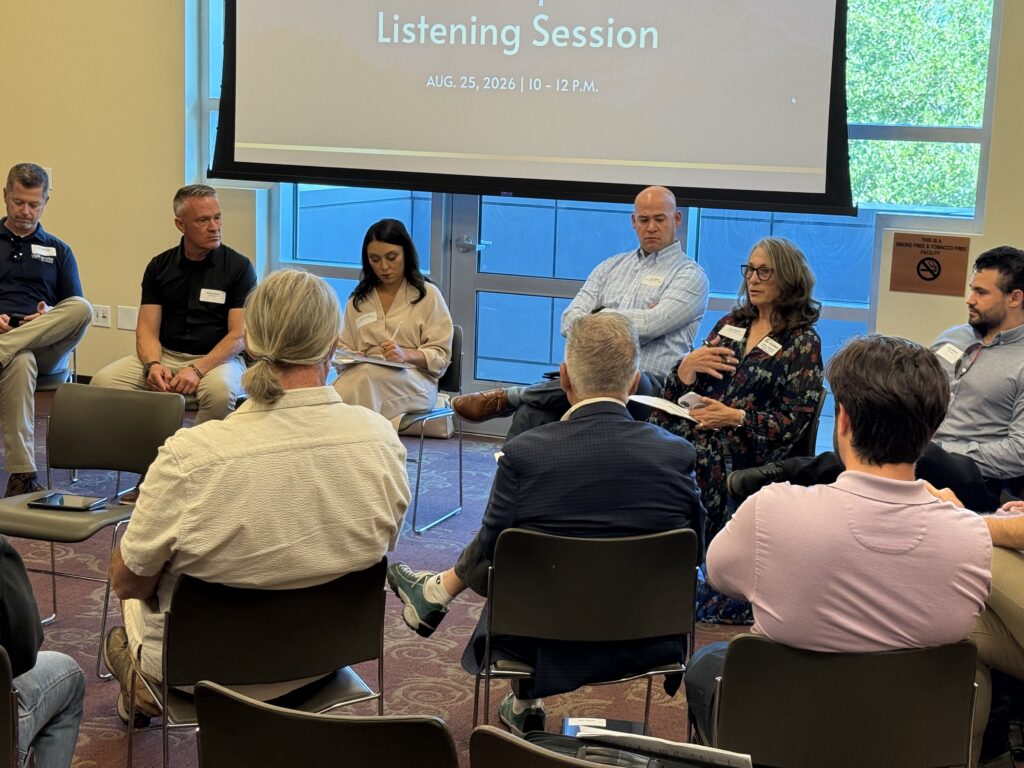
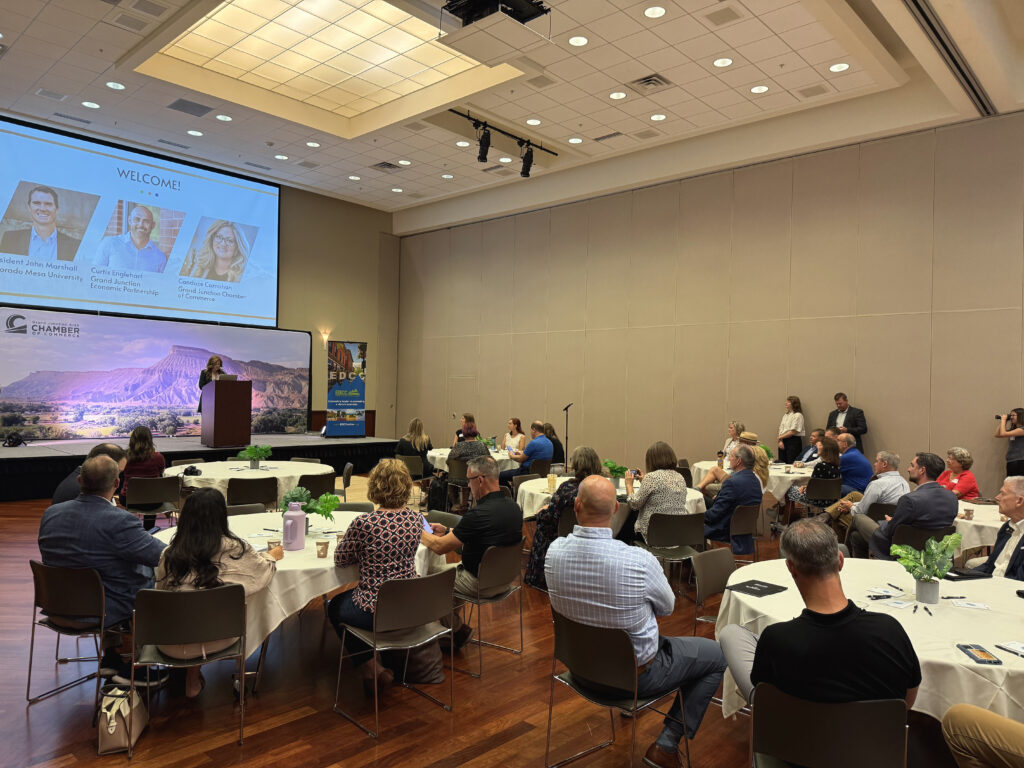
Recently, the Grand Junction Area Chamber of Commerce continued that conversation by co-hosting hosting a Colorado Competitiveness Roundtable in partnership with the Governor’s Office, the Colorado Office of Economic Development and International Trade, and the Grand Junction Economic Partnership.
We are grateful the conversation happened here in Western Colorado. The Governor’s Office and OEDIT deserve credit for listening directly to employers, economic development professionals, local officials, and industry leaders. GJEP, the Business Incubator, and our regional OEDIT partners work every day to help businesses navigate complex systems, attract investment, and create opportunities within the policy environment that exists.
The roundtable gave state leaders an opportunity to hear where that environment is helping and where it is getting in the way.
Participants identified regulatory uncertainty, permitting delays, rising construction and energy costs, duplication among economic development programs, and policies that do not always account for the differences between urban and rural Colorado.
These issues share a common thread: too often, policy is developed without enough understanding of how it will work in practice.
Estimates place the number of Colorado lawmakers with direct experience owning and operating a business in the single digits. However we define that experience, the gap is noticeable.
This is not a partisan criticism or an argument that only business owners should make policy. Colorado benefits from lawmakers with diverse experiences.
But when the Legislature considers policies affecting operating costs, employment practices, construction, investment, and growth, firsthand business experience must be represented.
It is easier to add a mandate when you have never had to decide whether the next dollar pays for payroll, inventory, insurance or expansion.
It is easier to impose a new requirement when you have never been responsible for making a balance sheet work.
That experience should influence not only which policies are adopted, but also the pace at which they are layered onto employers. Roundtable participants urged lawmakers to give existing policies time to take effect, measure their outcomes, identify unintended consequences, and correct what is not working before assuming another mandate is the answer.
Competitiveness also extends far beyond legislation labeled as “business policy.”
Colorado says it wants more affordable housing, yet we continue adding requirements that make entry-level housing more expensive to build. Roundtable participants pointed to complex energy codes, electric-ready and solar-ready construction, electric vehicle infrastructure, added engineering, and longer permitting processes.
Each requirement may have a defensible purpose on its own. Together, they raise the cost of producing the housing our workforce desperately needs.
Energy policy carries similar consequences. When policies reduce options, require expensive conversions, or move faster than infrastructure and household budgets can support, employers and employees absorb the cost. Workers begin looking at surrounding states where their income stretches further, while businesses face higher operating expenses and greater pressure to increase wages.
Infrastructure matters too. Colorado recently fell from 11th to 32nd nationally in infrastructure competitiveness. Roads, air service, water systems, telecommunications, and energy infrastructure determine whether communities can attract investment and businesses can efficiently move people, goods, and services.
The roundtable also reinforced what those of us in Western Colorado have said for years: statewide solutions cannot always be designed around Front Range scale.
A state incentive requiring the creation of 20 jobs may sound reasonable in an urban economy. In a small rural community, five new jobs can meaningfully strengthen the local economy. A small company seeking $200,000 in financing may not meet the scale required by a statewide program, but it may still fill an essential community need and support valuable local jobs.

The larger lesson is that effective policy should establish clear outcomes and reasonable guardrails while giving communities and regional partners flexibility to respond to local conditions. Creating jobs in Grand Junction will not look exactly like creating jobs in Denver, and our policies should be sophisticated enough to recognize the difference.
That kind of honest, practical conversation is what made the Competitiveness Roundtable so valuable. I appreciate the Governor’s Office, OEDIT, GJEP, and every participant who contributed constructively. Now we need to build on what we heard.
That will require more lawmakers with firsthand business experience, more industry expertise on state boards and commissions, and greater consideration of cumulative costs. It will also require employers to remain engaged, serve, testify, and step forward to help shape public policy.
Colorado does not lack ideas, talent, or opportunity. But reclaiming our competitiveness will require more than listening. It will require a policymaking culture that values practical experience, understands regional differences, and is willing to change course when the economic consequences become clear.