 Each year, I look forward to the release of the Edelman Trust Barometer. Not because it tells us something new, but because it puts language and data behind what many of us are already feeling here at home.
This year’s report confirms it. The divide is growing.
Seventy percent of people worldwide now have what Edelman calls an “insular trust mindset.” In simple terms, that means a growing reluctance to trust anyone who is different from you. Different in background. Different in beliefs. Different in experience.
I do not need a global report to see that playing out. We see it in our conversations with business owners. We see it in how quickly assumptions are made. We see it in how hard it has become to stay in a conversation when perspectives differ.
As that insularity rises, something else happens. Fear grows. And when fear grows, trust pulls inward.
Trust goes local.
That shift is one of the most important takeaways from this year’s report. While trust in broader systems and distant institutions is strained, trust is holding or even strengthening closer to home. People are looking to what they can see, what they can experience, and who they can engage with directly.
That has real implications for Grand Junction and Mesa County.
It reinforces something we have long believed at the Grand Junction Area Chamber of Commerce. If trust is going to be rebuilt, it will not happen from the top down. It will happen in rooms right here in our community, through real conversations, real relationships, and a willingness to stay engaged even when it is uncomfortable.
That is where the Chamber steps in.
We are not just advocates. We are conveners.
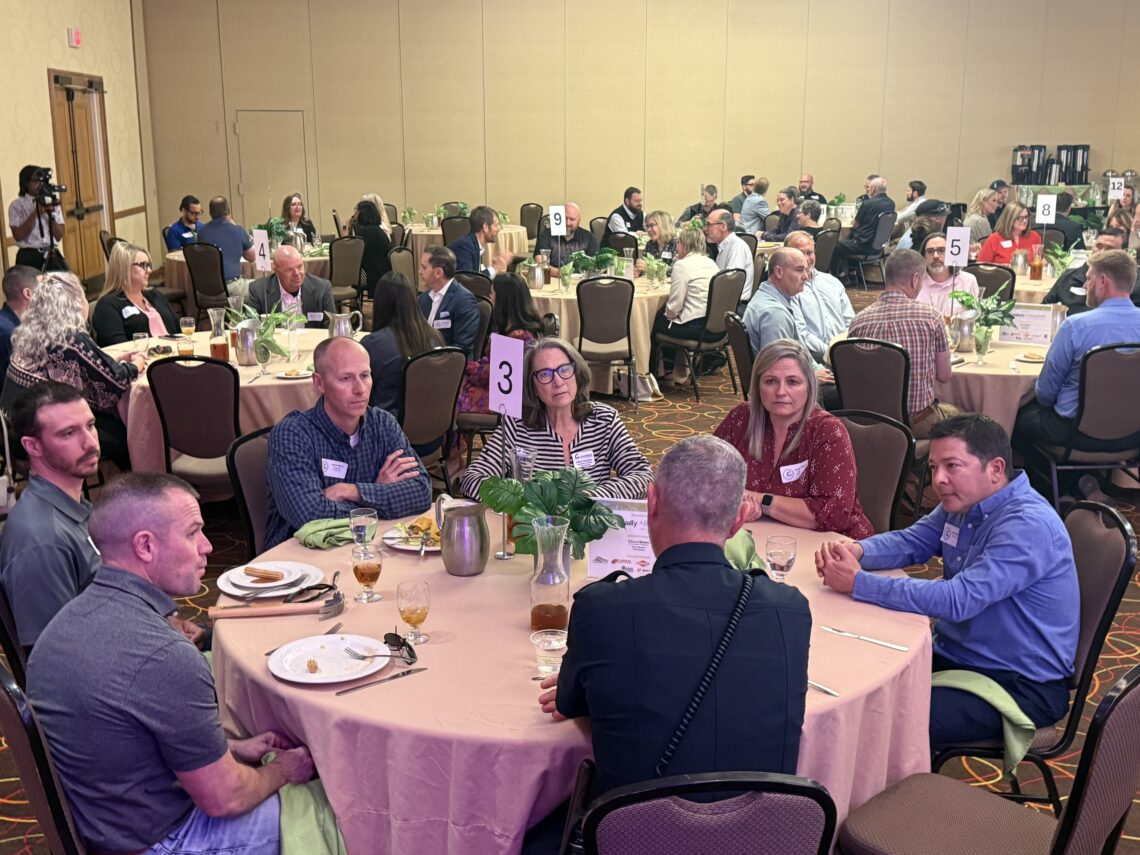
We see it in our Governmental Affairs meetings, where more than 100 business leaders show up early in the morning to understand policy and share perspectives. We see it in our Quarterly Membership Lunches, where city leadership sits at tables with business owners to answer questions directly. We see it in our workforce partnerships, where employers, educators, and community organizations are working together to solve challenges that no one entity can solve alone.
Those moments matter more than ever.
Because in a time when many are retreating into like-minded circles, creating space for different perspectives is not just valuable. It is necessary.
The report makes another point that should not be overlooked. “Trust brokering” is one of the most powerful actions businesses can take today. Employers are seen as best positioned to lead in this space.
That matters for our business community.
Business continues to rank as one of the most trusted institutions, with NGOs close behind. As a business-focused nonprofit, the Grand Junction Area Chamber of Commerce sits at the intersection of both. That positioning gives us a unique responsibility to help bridge gaps, not widen them.
Trust brokering means helping people understand each other, even when they disagree. It means creating opportunities for engagement, not avoidance. It means asking our business community to stay at the table, even when the conversation is difficult or the outcome is uncertain.
In Mesa County, we see this play out every day. Whether it is navigating state policy, addressing workforce shortages, or working through local decisions that impact how businesses operate, the path forward is rarely simple.
But disengagement is not a strategy.
If anything, this moment calls for more participation, not less. More listening, not less. More willingness to understand where someone else is coming from before deciding where you stand.
The Edelman Trust Barometer is a global report, but its implications are deeply local.
If trust is moving closer to home, then so must the work to rebuild it.
Here in Grand Junction, that work is happening every day. Around tables. In meetings. In conversations that are not always easy, but are always necessary.
And it is work we are committed to continuing to lead.